Kosho-Ryu Training in El Cajon: Real Self-Defense, Not Sport Karate
★★★★★ Trusted by 500+ El Cajon Martial Arts Families
Forget the movie version. Kosho-Ryu Kenpo teaches close-range self-defense with strikes, joint locks, and escapes, not flashy forms built for trophies. Every technique traces back to a 36-year teaching lineage passed down through Sr. Grand Master Tony Bowles to Sigung James at James Martial Arts Academy in El Cajon. Here's what that training actually looks like, for kids, teens, and adults.
Quick SummaryKosho-Ryu Kenpo teaches close-range self-defense. It uses strikes, joint locks, and escapes, not flashy forms for trophies. Every technique traces back to a 36-year teaching lineage passed down through Sr. Grand Master Tony Bowles to Sigung James. Students learn to read a threat and respond, not just perform.
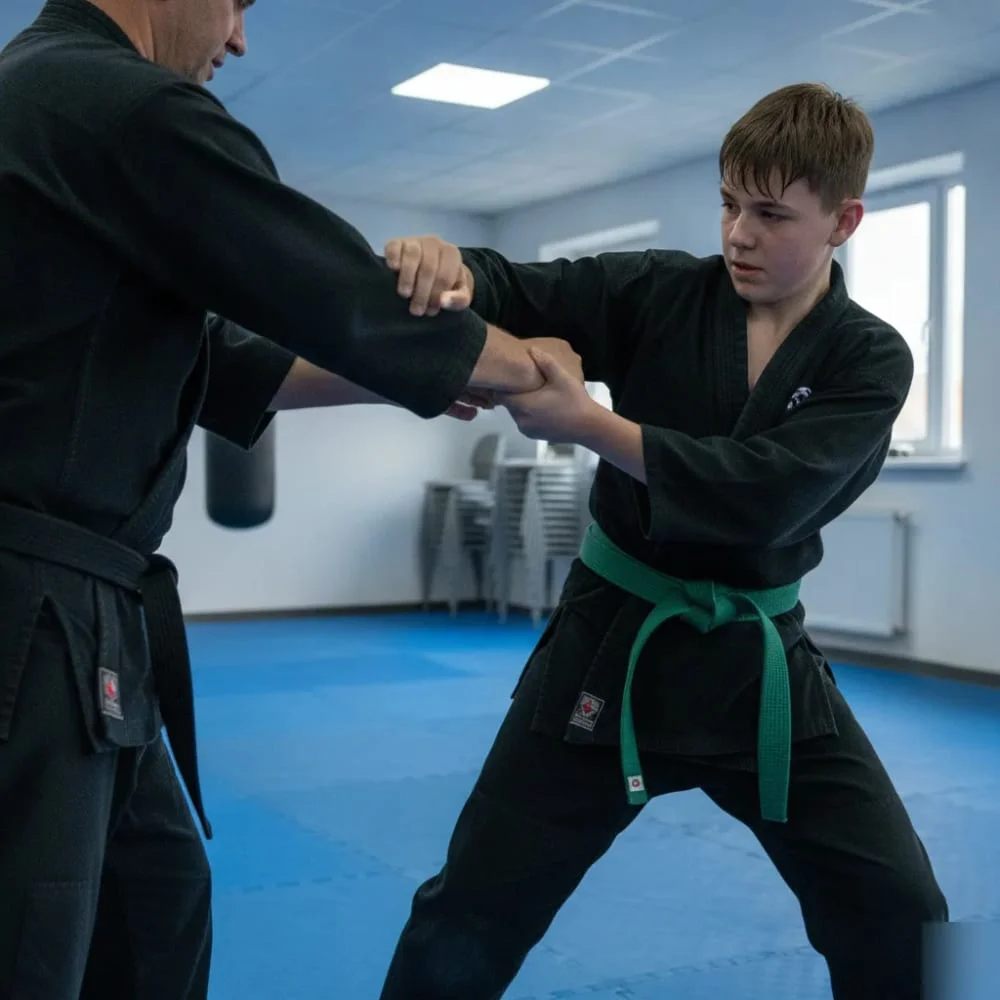
Forget the movie version. Kosho-Ryu isn't about spinning kicks or points scored in a ring. It's a blending art. This means a student learns to redirect force instead of meeting it head-on, using an attacker's momentum against them. We see this every week: a nervous new student throws a stiff punch. Within a few classes, they learn to soften their stance, read distance, and move with control instead of panic.
This isn't a style pulled from a weekend seminar. Sigung James trained directly under Sr. Grand Master Tony Bowles. He carries forward a 36-year Kajukenbo and Kosho-Ryu teaching lineage. That matters because technique passed down that long has been tested, refined, and tested again. Nothing taught on our mats is guesswork.
Striking with the hands, elbows, and knees at practical, close-range distance
Joint locks and control holds used to stop an attack without unnecessary force
Throws and takedowns adapted from Kajukenbo's grappling roots
Escapes from grabs, holds, and pins a student might face
Situational awareness, so a student learns to avoid trouble before it starts
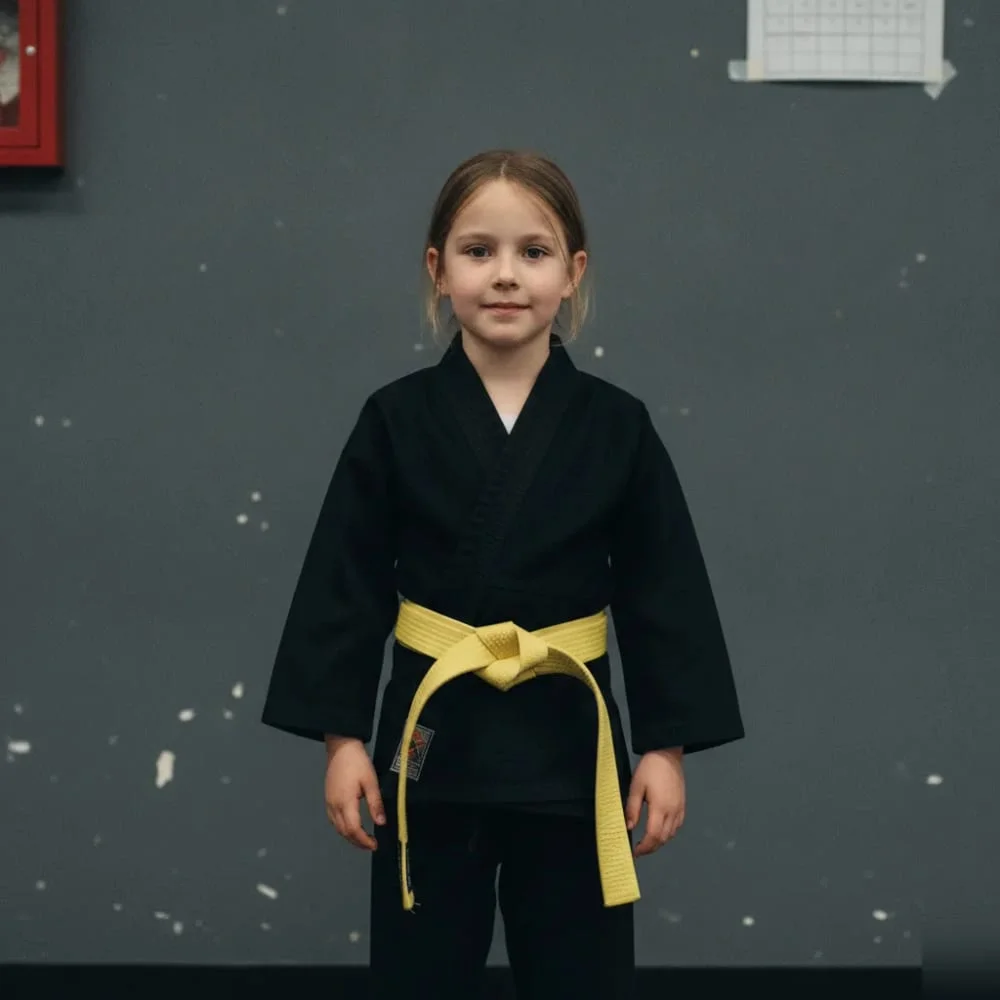
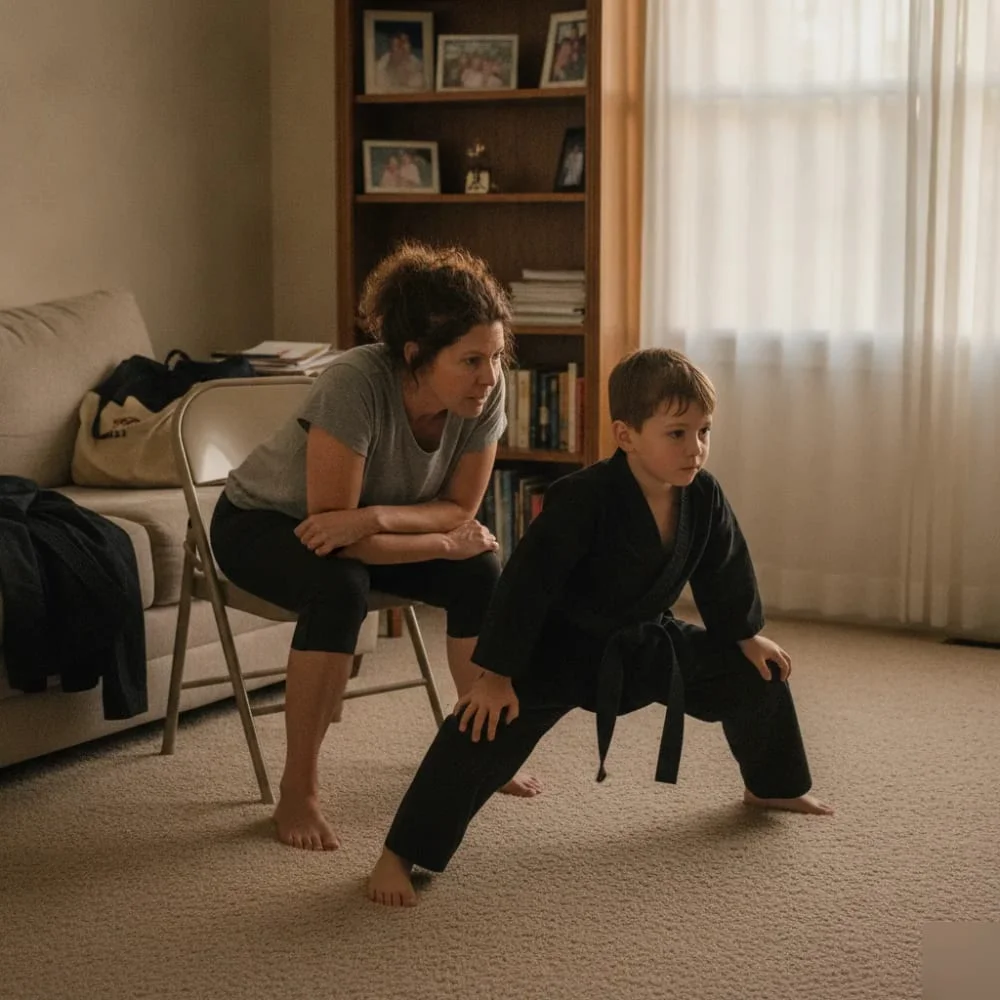
A five-year-old and a grown adult don't train the same way. Younger students focus on listening, balance, and basic movement patterns. Older students and adults work the same core techniques with more resistance, more speed, and more real-world context. The art stays consistent; the application changes with age.
Kosho-Ryu Training in El Cajon: A 36-Year Teaching Lineage
Kosho-Ryu Training isn't something you pick up from a weekend seminar. It's a lineage. Sigung James trained directly under Sr. Grand Master Tony Bowles. He carries forward 36 years of Kajukenbo and Kosho-Ryu teaching. That's a direct line of instruction, passed from teacher to student, generation to generation.
Why does that matter to you? Kosho-Ryu isn't flashy. It's a practical system built around real-world self-defense, not point sparring or belt sales. A black belt instructor who spent decades under one lineage teaches differently than someone chasing certifications. He teaches what works, tested over years on the mat and refined class after class.
Since founding the academy in 2010, that lineage has shaped every class taught here. Over 500 families have trained under this same approach. Generations of students learn the same foundational principles Sigung James learned himself. That kind of consistency happens because the method never gets diluted.
If you want the full picture of how Kosho-Ryu fits alongside our other programs, check out our main service page for the complete rundown of what we teach and who it's for.
When you compare schools, ask who trained your instructor. Ask how far back the lineage goes. That answer tells you what you're about to sign up for.
Who This Program Fits — and Who Should Look Elsewhere
Kosho-Ryu Training isn't for everyone. We'd rather tell you that now than waste your time on a trial class. This style blends joint locks, escapes, and body positioning with Kajukenbo's striking base. It rewards patience. If you want fast belt promotions or a flashy competition circuit, this isn't it.
So who does it fit? Kids as young as 3 through teens up to 17. Also adults who want practical self-defense skills they can use, not just perform. Sigung James built the program around real-world protection, carrying forward the same 36-year teaching lineage. That lineage matters. It means the technique you learn has been tested and refined for decades, not invented for a demo reel.
Parents who want their child to build real discipline and confidence, not just win trophies
Adults starting from zero who want a beginner-friendly path into practical self-defense
Families who value a slower, deeper progression over quick belt advancement
Anyone drawn to a school built on one method taught consistently, not a rotating cast of instructors
Now, who should look elsewhere? If you're chasing a sport-competition trophy case, or you want a franchise with a dozen locations and constant staff turnover, this isn't your program. We're a single, instructor-led school. That's a feature for families who want consistency. It's a real limitation if you're relocating soon or need multiple locations across town.
One more honest note. If you or your child is looking for a quick confidence boost before an event three months from now, not three years, this style may feel slow at first. Our average student sticks with training for 3+ years. That's the pace it takes to own these skills.
Call (833) 894-0191 · James Martial Arts Academy is ready to help
Inside the 4-Step Training Method
Kosho-Ryu Training here doesn't follow a script pulled from a manual. It follows a method our team has used for years, built around four stages: Assess, Build, Challenge, Grow. Every student moves through it at their own pace. Some fly through stage two in a month. Others need three. That's fine. Rushing a joint lock or an escape technique just to hit a deadline teaches a student to fake competence, not earn it.
We see this every week: a student who looks solid on a technique in isolation falls apart the moment we add resistance or speed. That gap is exactly what this method is built to close.
Assess: We watch how you move, block, and react before you drill a Kosho-Ryu technique at full speed. This tells us where your instincts already work and where they'll get you hurt.
Build: You drill the core Kosho-Ryu Kenpo movements slowly — joint locks, redirections, close-range strikes — until your body does them without thinking about the steps.
Challenge: We add resistance. A partner who pushes back, grabs harder, moves unpredictably. This is where technique either holds up or falls apart. We'd rather find out here than on the street.
Grow: You start applying Kosho-Ryu principles against different attacks, partners, and pressure. This is where a student stops performing moves and starts defending themselves.
The moves look simple at first. Real control takes months to build. That's the point of the method, not a flaw. This same 36-year Kajukenbo and Kosho-Ryu teaching lineage shapes that structured progression, passed down class after class. No shortcuts. We don't hand out advanced technique before the foundation is solid. If a student wants a faster path to a new belt without the reps behind it, this isn't that program.
Watch Our Video
See How We Handle Kosho-Ryu Training in El Cajon
How Martial Arts Tuition Typically Works
Most martial arts schools run on a monthly membership model, not a per-class fee. You commit to regular training, not a one-off session here and there. That structure exists for a reason. Kosho-Ryu Training builds skill through repetition. Repetition only works if a student shows up week after week.
Cost usually shifts based on a few real factors. Class frequency matters — two sessions a week costs less to run than five. Private one-on-one instruction costs more than group classes, since it takes an instructor's full attention. Testing fees for rank advancement are common across the industry. They typically cover the exam and the belt or certificate. Uniform and gear costs are separate too; most schools don't bundle those into monthly tuition.
Family discounts show up at schools when siblings train together. Ask about that up front; it's not always advertised.
How many classes per week are included in the base tuition
Whether testing and rank advancement fees are separate
What the uniform or gear requirements cost outside tuition
Whether there's a minimum contract length or if it's month-to-month
If sibling or family discounts are available
None of this should feel like a mystery. A school that trains you in Kajukenbo and Kosho-Ryu the right way will answer these questions plainly, before you sign anything.
Our main service page — the complete rundown of Kosho-Ryu training, curriculum, and who it's for.
Questions Families Ask About Kosho-Ryu Training
Frequently Asked Questions
What should I wear or bring to my first Kosho-Ryu class?
Wear comfortable workout clothes and bring a water bottle to your first class. You do not need a uniform or gear on day one. We want you to feel how Kosho-Ryu moves before you invest in anything else. Your instructor will walk you through basic stances and drills at your own pace. Kids and adults train in the same building, so parents are welcome to sit and watch.
How long before I see progress in Kosho-Ryu training?
Most students notice real changes within a few months, though owning the full system takes years. Our average student trains with us for three or more years to build lasting skill. You will likely feel quicker wins first, like better balance, calmer reactions, and sharper focus. Deeper skills, like joint locks and escapes, come from slow repetition, not shortcuts. Our four-step method is built around that pace on purpose.
Do you train families outside El Cajon, like Lakeside or Santee?
Yes, we train families from Lakeside, Santee, Lemon Grove, and Spring Valley, along with El Cajon. We are one dedicated school, not a franchise with several locations, so every family trains under the same instructor and lineage. That consistency matters for kids who need a steady routine and adults building real skills over time. If you're driving in from East County, you're joining a community already spread across nearby cities.
What age can my child start Kosho-Ryu training?
Kids can start as young as three years old in our Preschool Martial Arts program. From there, students grow through Kids Martial Arts, Preteen Martial Arts, and Teen Martial Arts, all built on the same Kosho-Ryu and Kajukenbo foundation. Adults are welcome to start at any age too, with training paced to their goals. The core techniques stay the same across every age group, but how fast we add resistance and speed changes as students grow.
What makes Kosho-Ryu different from typical karate or point sparring?
Kosho-Ryu focuses on real self-defense, not points scored in a ring. It blends joint locks, escapes, and close-range strikes, using an attacker's own momentum instead of meeting force head-on. This comes from a 36-year teaching lineage passed from Sr. Grand Master Tony Bowles to Sigung James. That lineage means every technique has been tested and refined over decades, not picked up from a weekend seminar.
Do adults train the same way kids do in Kosho-Ryu?
No, adults and kids drill the same core techniques but with different intensity. Younger students focus first on listening, balance, and basic movement patterns. Adults and older teens add more resistance, speed, and real-world context to those same joint locks and escapes. This keeps the art consistent across every age while matching how each student's body and mind are ready to learn.
Ready to Get Started? at James Martial Arts Academy
Most students, and parents, know within the first class whether Kosho-Ryu is the right fit. Claim a free trial class, no contract, no pressure, at our Martial Arts School in El Cajon.
Not sure which program is right? No worries, pick the one that matches your child’s age and we’ll make sure they’re in the perfect class during your free trial week.